


In Chinese there is a phrase, baizuo (白左), which roughly translated means ‘woke Westerners, telling us what to do’. When applied to veganism, it is along the lines of ‘these Westerners, living the good life, telling us to stop eating meat’, says Qian Jin. Jin is studying Chinese wild animal farming industry at Wageningen University & Research in the Netherlands. She is vegan, an animal rights activist, and has her own Chinese language podcast (a few episodes in English) called ‘Slightly Tofu’.
In reality, what does it mean to be an animal rights advocate in China?
“It is impossible to generalise about China because it is so diverse,” says Jin. Many Chinese people in rural areas might have been exposed to animal slaughter from an early age and there is a belief that the closer an animal is killed to eating, the fresher it is, hence the wet markets and killing of animals in restaurants. Chinese medicine also, of course, takes a huge toll on wildlife and is the cause of much of the world’s massive illegal poaching and wildlife trade.
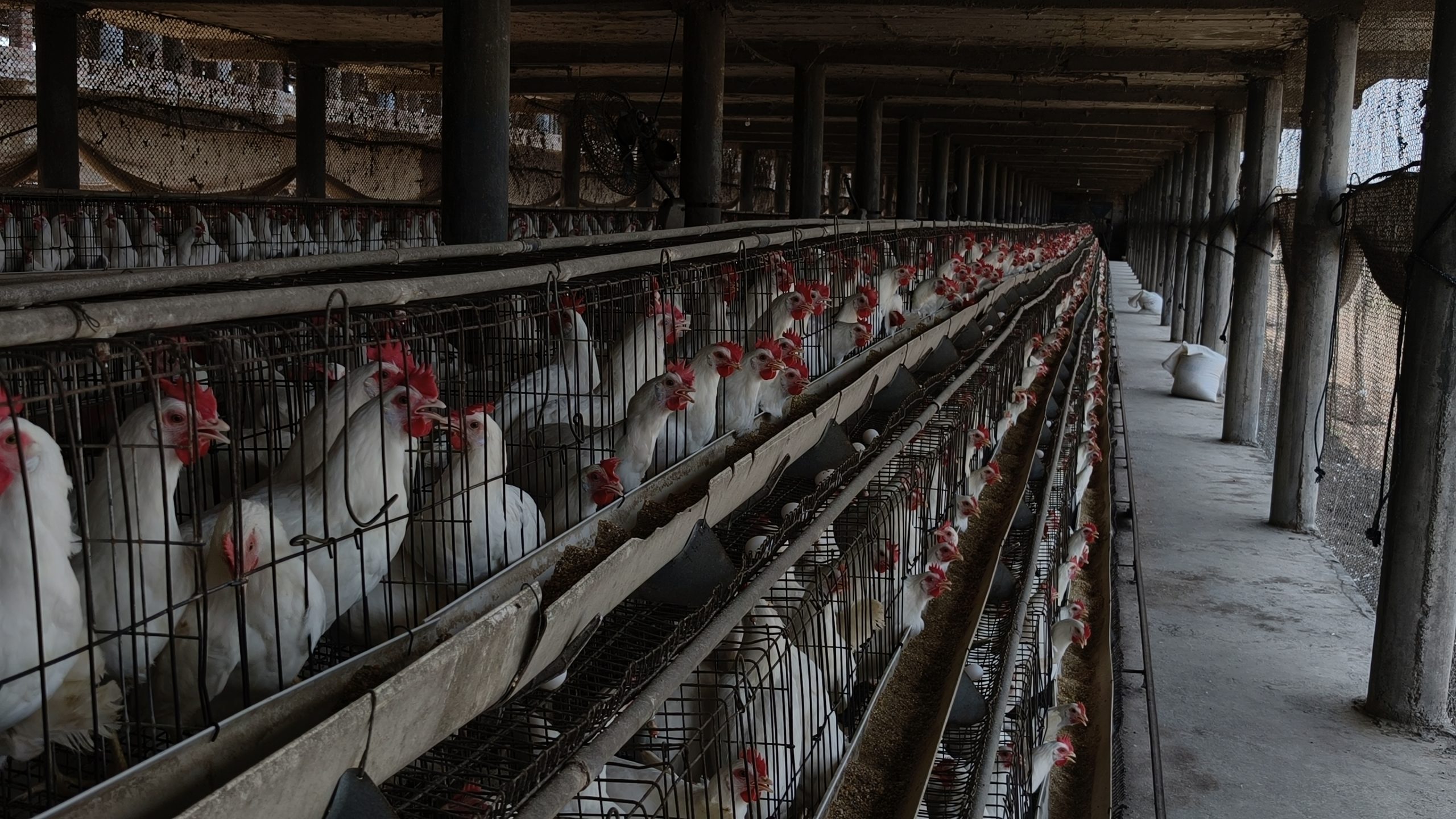
Everything in China is on a mind-boggling scale, as epitomised by its skyscraper piggeries. There was a lot of coverage in the West when, in 2022, a 26-storey pig farm, with a capacity to slaughter 1.2 million pigs a year, was unveiled in China’s Hubei province.
At the same time, a huge part of the population has companion animals and loves them. “I think it is very unfortunate that there are a lot of stereotypes about China when it comes to how they treat animals, particularly companion animals,” says another campaigner in the country, Lian (not her real name). Reflecting this, videos in June showing the horrific killing of a stray dog, Wang Wang, and her puppies by four young boys caused outrage on the Chinese internet and even the authorities’ censorship machine struggled to shut down comments. The incident brought demands, including from several celebrities, to introduce laws against animal cruelty.
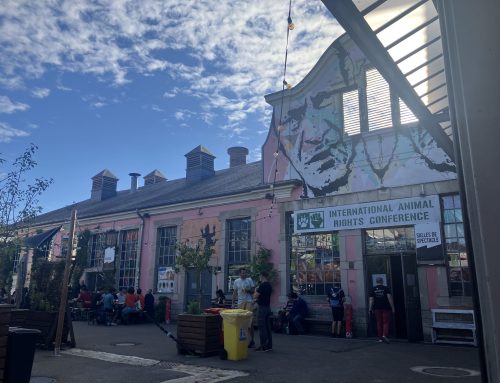
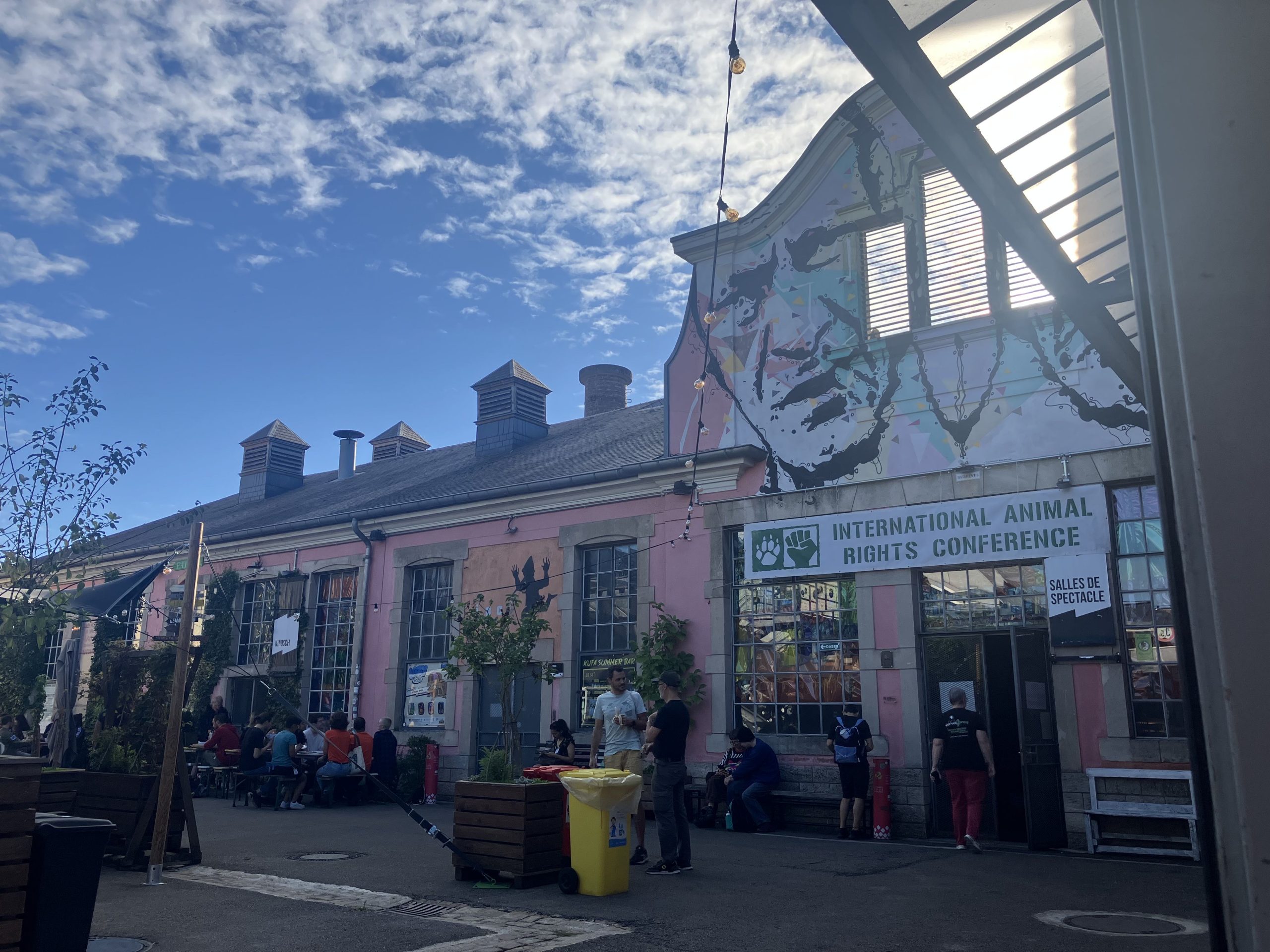
There is now also the China Vegan Society, which was set up in 2021 with a vision to ‘make veganism mainstream in China’. It holds an annual vegan summit. It has also held two ‘V-March’ events, which are its equivalent of Veganuary, encouraging people to go vegan for March. It held a vegan city tour earlier this year, visiting Hong Kong, Chongqing, Shanghai and Beijing, and does other community events. This year it started a vegan incubator, giving grants to grassroots activists for projects plus a mentorship programme. And it has a new vegan certification programme for food and cosmetics tailored for the Chinese market.
Even with V-March, the Vegan Society “cannot go very direct”, says Lian. “It can’t put up posters telling people to try a plant-based diet because this seems too extreme and maybe a bit aggressive.” It uses outreach, email, WeChat and Red Note (the latter two are the country’s equivalents of Whatsapp and Instagram respectively).
The idea that something as seemingly innocent as V-March should be seen as extreme reflects the overall challenge of any form of “activism” in China. It is difficult, says Lian, to promote anything that is seen as an ideology, with veganism and animal rights falling into this category.
Even with a trigger warning, violent content cannot be posted on the Chinese platforms, which excludes footage of, for instance, factory farms. Lian went from ten years as vegetarian to vegan as a result of footage of a UK investigation by Joey Carbstrong. However, in China there is no chance to do the sort of investigations that happen in the West, with all trespassing illegal.
“The approach that animal activists are taking is talking more from the positive side,” says another campaigner, which means focusing on the health and environmental benefits. For instance, one project that the Vegan Society has backed is a book for children about an alien pig that arrives on earth, sees how animals are treated, and tries on cat and dog costumes to try to be treated better.
In fact, reflecting the non-direct approach, the China Vegan Society does not go under that name in the country. Instead it chose an ancient character, mǎng (茻), that means something like ‘all living beings living in harmony’.
As well as generalisations being difficult, things can change rapidly in the country. Traditionally, says Jin, Chinese people ate ‘river food’ such as carp and crabs. However, in the major cities but also beyond, this is being replaced by seafood, such as salmon, tuna, lobsters and king crabs. “Previously, people didn’t eat salmon but now it’s a ‘go to’ food’ when it comes to supposedly health options.” To a degree, these are now trendy and are out-competing the traditional river-derived species.
It means that often there is over-production of species where demand has fallen. In fact, as the sectors have grown so fast and as China’s population has stagnated, there is even an over-supply of dairy and some meats. The biggest competition, Jin points out, is always between the different types of meat and fish, not between these and plant-based.
The unimpressed reaction in China to meat alternatives can be read as partly cultural (Beyond Meat leaving the country was notable). After all, points out Jin, tofu was invented 2000 years ago in the country as a meat alternative. The fact that many people are vegetarian and vegan for religious reasons means there is a strong tradition of affordable soy products. There are a lot of local brands and, because health is a key reason for people’s food choices, the simplicity of these can play better than more processed imported products with longer lists of ingredients.
Jin points out that it is only in the last 20 to 30 years that most people in the country have been able to afford dairy, eggs and meat from farmed animals. “People have this mentality that we’ve been deprived for so long, we finally are able to eat milk and eggs and dairy as much as we want, and now you are pushing these fake ones.” The alternative products also tend not to be tasty and are highly priced, she says.
In 2020, as a response to Covid, there was an extensive ban on the consumption of wild animals. However, says Jin, there were lots of loop-holes. Certain species were exempt and some others were re-categorised as aquatic. The ban brought a lot of objections from farmers and local government because farming of many of the species is an important part of local economies. In addition, underground practices continued, with little or no enforcement.
Even the legal outlets are highly distressing for animal advocates, says Jin, with animals crammed in together and for some species, such as soft shell turtles kept in individual plastic bags (these are one of three species that Jin is focusing on in her studies – it has traditionally been seen as a nourishing food source). Bull frogs, one of the most heavily traded species on earth, are usually skinned alive. This is purely to reduce labour costs, says Jin. However, much of the demand and the knowledge of how to prepare and cook these traditional species is dying out as it resides with the older generation.
Some studies predict rapid growth for alternative meats, albeit from a pretty low base mark. The Chinese government is proactive in trying to reduce the environmental footprint of the country and a shift to alternative proteins could be part of this. There has also been a reduction in animal testing, with regulations eased to allow ‘non-functional’ products to come to market without this, leading to new cruelty free ranges. An example of a ‘functional’ product would be sun cream; a ‘non-functional’ one would be make-up.
“One reason why I wanted to start my podcast is because in China you almost never hear about animal rights or abolitionism,” says Jin. She is in part inspired by anger and a “complete hatred of this industry… they are lying to us and doing the most horrible things to the most innocent beings on earth”. In China, there is a lot of “welfare-washing”, she says, in part because it is often for health reasons that people adapt their diet. So the messaging, even from animal advocacy organisations, is often to switch to ‘high-welfare’ alternatives, not plant-based. “I realised the majority of animal welfare organisations are never going to promote veganism and plant-based diets. It is more, this treatment is horrible, let’s promote a different market.”
The population of China is so large that even if you could change the minds of one per cent, then that would be a huge impact. “Doing this in China might be challenging and there is the need to go through some challenges that activists in the West don’t have to go through, but it’s worth doing and someone has to do it, that’s why we’re doing what we do,” says Lian For all the challenges, there are reasons to be optimistic.
Main photo credit: China Vegan Society



Leave A Comment