

A new UK-based organisation has been set up to try to improve welfare for wild animals. The Centre for Wild Animal Welfare (CWAW) is an interesting addition to the animal welfare ecosystem, seeking to use policy and legislation in a neglected niche but with the potential to benefit large numbers of animals.
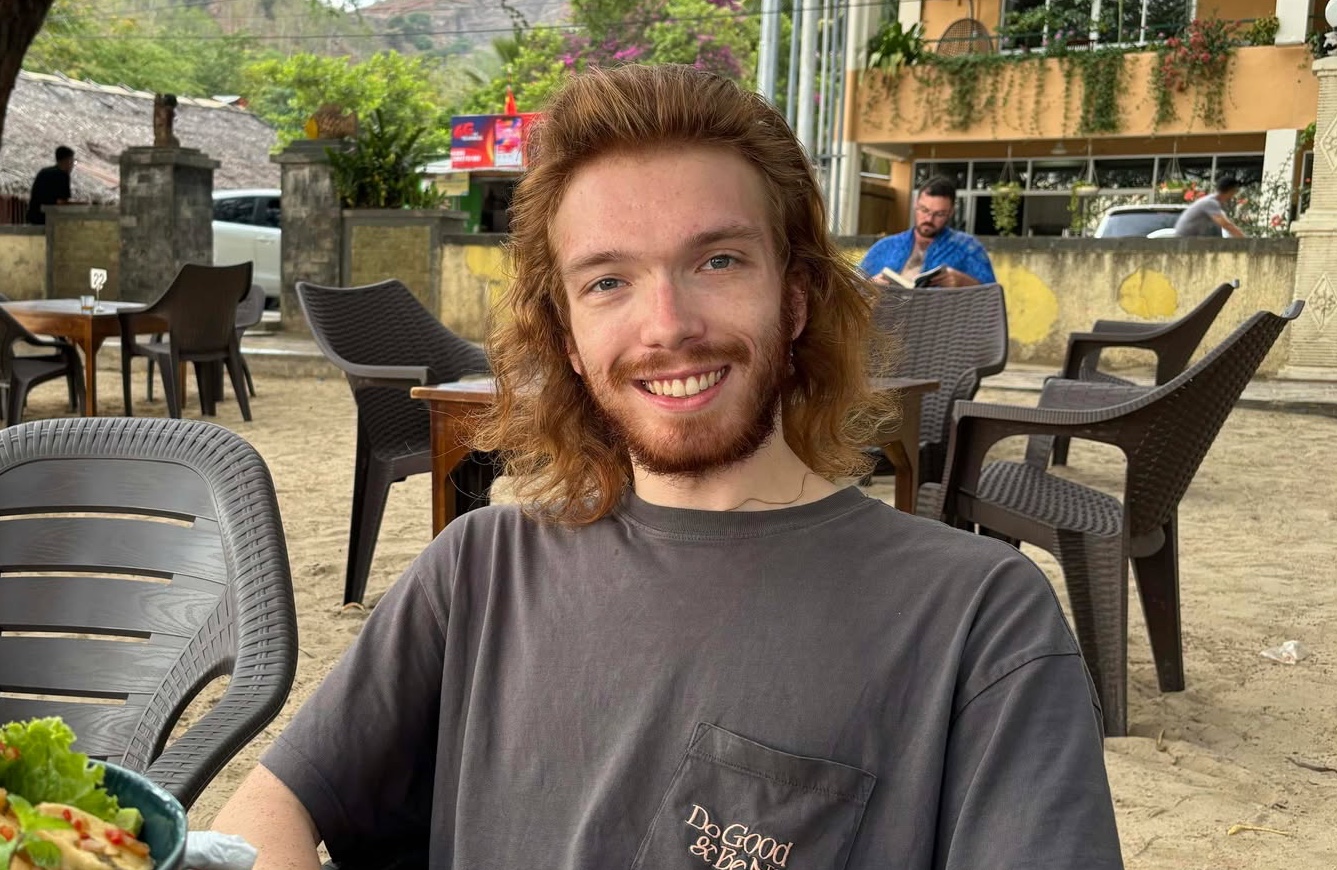
CWAW has recently reached its funding target for the first year of its operations – $60,000, which is being match-funded by a donor. Co-founder, Ben Stevenson (above), brings a research background, at a broad think tank, Rethink Priorities, and at animal-specific think tank, Animal Ask. He has also been involved in some grassroots campaigns, including Animal Rising’s Grand National action. Fellow co-founder, Richard Parr, brings experience of policy-making, as a former adviser to the UK government and co-founder of The Good Food Institute Europe that, among other things, lobbies for alternative proteins.
Ben was looking for problems that were really big but overlooked. “Obviously, I think factory farming is the big issue for the animal movement. However, I felt the wild animal space had a lot of room for me to contribute.”
When it comes to wildlife, Ben sees NGO, political and popular support for environmentalism and wildlife policy that is largely focused on rewilding, restoring ecologies, and ensuring we don’t do further damage to ecosystems. On the grassroots side, there is the focus on hunting and badger culling. “I have a lot of respect for all those people but it seemed to me there was a missing ingredient that maybe sits somewhere between the two, looking at issues that affect quite a large number of animals but seem almost mundane.”
He gives the example of the industrial-scale poisoning of so-called ‘vermin’, such as mice and rats. “If you think about the numbers that are being killed in public spaces and in homes, these numbers really start to add up.” The focus for most people in an area such as this is not likely to be animal welfare, but rather the impact on the wider ecosystems and environment.
The UK’s policy on poisons is relatively strong, reflecting the concerns that anticoagulant rodenticides might harm human health and impact animal food chains, particularly predatory birds. However, these poisons are horrible per se. They thin the blood of animals until they suffer haemorrhages and die. This can take seven to twelve days. And yet these animals are no different to those in a pet shop or a laboratory, points out Ben. The framing that is often missing is the welfare of the individual animals.
Another early focus is likely to be bird-safe glass for wild birds, where there are strong policies in Germany, for instance, but not in the UK. “To me, as someone who cares principally about individual animals and their wellbeing, suffering and happiness, it seems the arguments shouldn’t just be framed around endangered species.” It should be about the welfare of all animals. “What excites me is that, instead of being the thousandth person to talk about farrowing crates, say, I might be the third person to talk about this issue.”
The tactics are likely to involve engaging with consultations when they are live, such as with the Urban Planning Bill, or with parliamentarians as they write amendments to bills, with some of this work already underway.
Other possible areas of focus cited by Ben are ocean noise and the vaccination of wild animals. The latter has happened in the past, notably when rabies was endemic in foxes in Europe, using oral baits that contained a vaccine. Of course, this was incentivised by concerns for human health, not the wellbeing of the foxes, but was extremely successful. “There’s no reason in my mind why this couldn’t be applied to wild animals just because diseases are affecting them.”
CWAW is now in set-up mode. The first task, aside from a website and other logistics, is writing a couple of initial policy reports. The Centre does not seem to reinvent what others are doing but, rather, complements existing efforts, with a focus on a massive part of the animal population that is often ignored when it comes to advocacy and policy. A win in even one of the first couple of priority areas for CWAW could positively impact millions of wild animals.
Leave A Comment